Information
Landmark: Transcarpathian Regional Art MuseumCity: Uzhhorod
Country: Ukraine
Continent: Europe
Transcarpathian Regional Art Museum, Uzhhorod, Ukraine, Europe
Overview
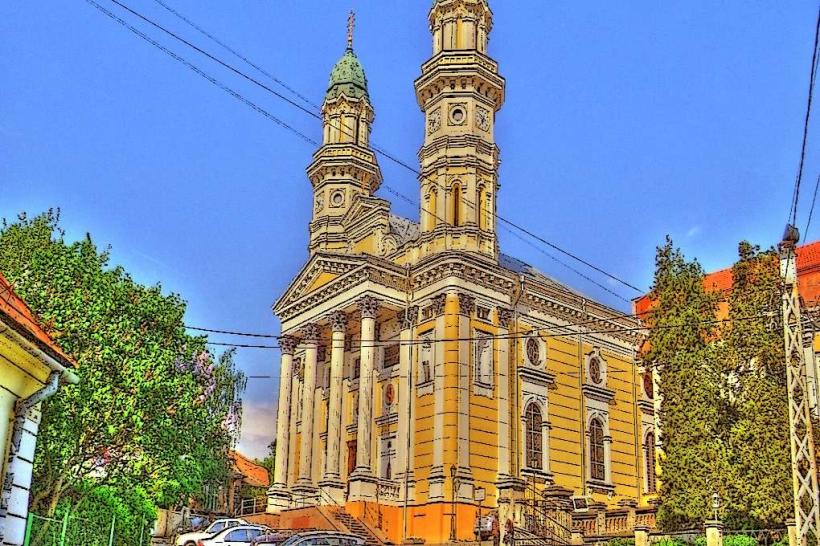
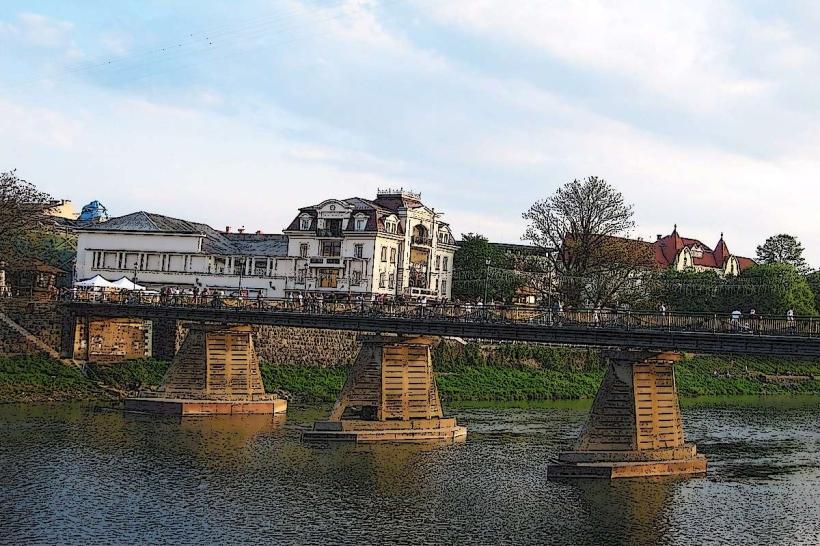
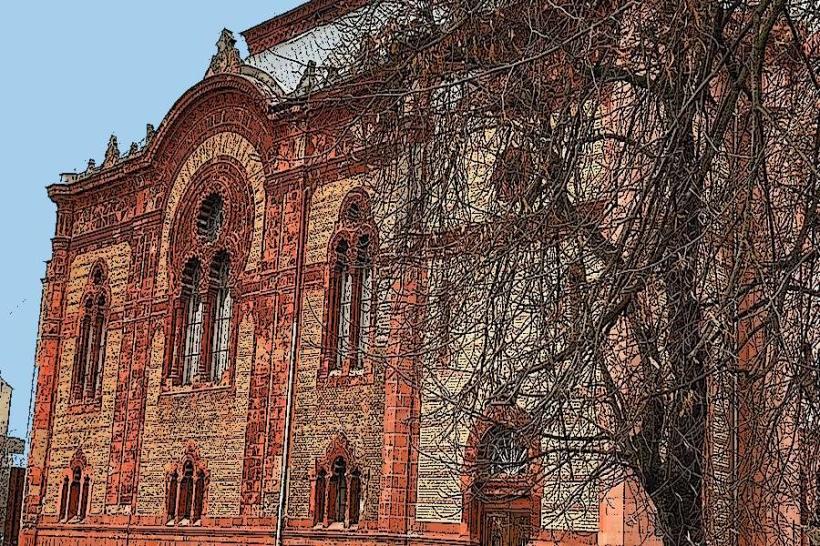
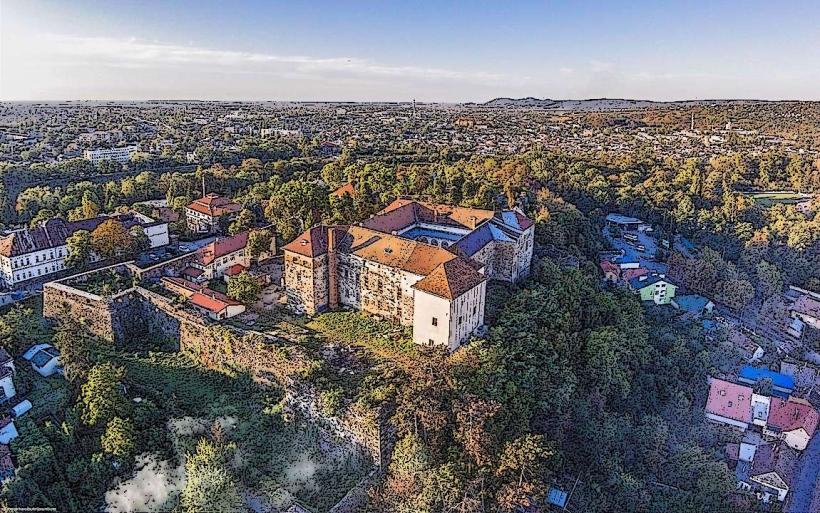
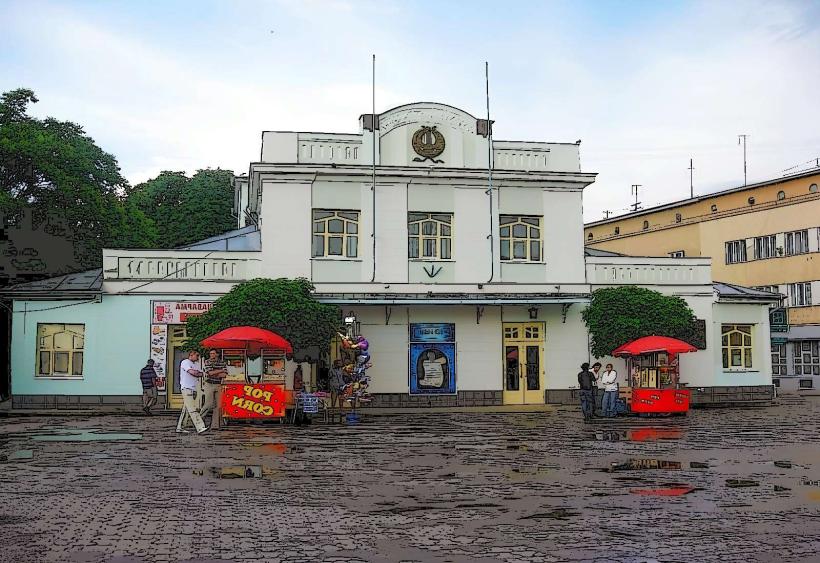
In Uzhhorod, the Transcarpathian Regional Art Museum named for Yosyp Bokshay stands as a cornerstone of Zakarpattia’s culture, with galleries that spill over with vibrant local works alongside national and European masterpieces, meanwhile founded in 1945, the museum set out to preserve and share the rich artistic heritage of Transcarpathia and neighboring regions, from painted wooden icons to intricate folk embroidery.The building sits in a historic spot on Zhupanatska Square in Uzhhorod, its classical stone walls catching the afternoon sun, alternatively built in 1809, this building once bustled as the administrative heart of Uzhansky County, its wooden doors creaking with the footsteps of officials.The building stands as a graceful example of classical architecture, its stone columns lending a quiet dignity to the museum’s cultural feel, moreover the museum’s collection bursts with variety, from delicate Japanese watercolors to bold modern sculptures, spanning countries, eras, and styles.In a way, Discover Ukrainian art through paintings by celebrated masters like Taras Shevchenko, the poet who sketched windswept steppes, Ivan Trush with his shimmering impressionist scenes, Opanas Slastyon’s vivid portraits and landscapes, and Serhii Vasylkovskyi, famed for blending symbolic touches with soft impressionist light, along with these works capture Ukraine’s spirit, weaving its folklore into scenes of rolling fields and glowing village roofs.Number two, furthermore transcarpathian Masters spotlight local talent-most notably Yosyp Bokshay, the museum’s namesake, whose brush captured bold modernist forms and the soft glow of impressionist light.Adalbert Erdeli stood at the heart of the Transcarpathian school of painting, his brush capturing the region’s misty hills and quiet streets, also andrii Kotska and Fedir Manayla, whose bold brushstrokes helped shape the region’s growing art scene, roughly Their paintings capture the rhythms of Transcarpathian life-villages tucked beside green hills, markets buzzing with color-and reveal the region’s distinct heritage, not only that number three sat scrawled in thick black ink, a little smudge trailing off the edge, a little Russian Art showcases 19th-century painters such as Orest Kiprensky and Vasyl Tropinin, famed for their romantic portraits-faces rendered with soft light and quiet intensity, in conjunction with these pieces open a window onto Eastern Europe, letting you glimpse its wider landscape and hear the rustle of market stalls in the distance.Number four, also western European paintings from Italy, Holland, France, Germany, and Austria, each with its own brushstroke and story.Francesco Albani and Cornelius-Pieters Begh stand out, each bringing the color and drama of the Renaissance and Baroque eras, what’s more this section shines a light on the region’s mix of artistic styles, where a carved wooden mask might carry stories from two different cultures.Number five, in conjunction with hungarian art features standout pieces like the study for “Christ before Pilate” by Mihály Munkácsy, the celebrated 19th‑century realist born in the misty hills of Transcarpathia, moderately This collection highlights the region’s vibrant mix of cultures, from the scent of fresh spices in the market to the rhythms of street music, likewise number six sat alone, a modest black mark on the page.The museum showcases a remarkable collection of religious icons, some with gold leaf glinting under the lights, dating back to the 16th through 18th centuries, while the icons capture the spiritual depth and artistic heritage of Eastern Orthodox Christianity in Transcarpathia, from the gold glint of a saint’s halo to the intricate brushwork on every panel.The museum often puts on temporary exhibitions, themed displays, and lively cultural events-anything from a quiet gallery of Renaissance portraits to a bustling evening of music-to draw in visitors and showcase different chapters of art history, while it backs research and teaching tied to art and cultural heritage, from studying ancient brushstrokes to preserving weathered stone carvings, moderately You can join guided tours in Ukrainian or Russian, where a guide walks you through the collections, pointing out details like the fine cracks in an ancient ceramic bowl, while you can find the visitor center at 3 Zhupanatska Square in Uzhhorod, Ukraine, right beside the classical stone fountain.We’re open most days from 10 a.m, simultaneously to 6 p.m, but the doors stay shut on Mondays.Admission is about 50 UAH for adults, with lower prices for students and seniors, and kids often get bigger discounts-or even free entry-on certain days, as well as the museum sits in the heart of Uzhhorod, easy to reach by bus, taxi, or a short meander past the timeworn stone bridge from most parts of the city.Not surprisingly, The museum’s building holds real historical weight, its tall columns and balanced lines echoing the classical styles of the early 1800s, likewise its well-kept state lends real weight to the experience, letting visitors glimpse the region’s antique administrative halls and hear echoes of its cultural past, maybe The Transcarpathian Regional Art Museum, named for Yosyp Bokshay, safeguards the region’s artistic heritage, keeping its colors and stories alive, on top of that it honors Zakarpattia’s rich blend of artistic traditions-from the bold strokes of local masters to the refined brushwork of Western European painters-and fosters a deeper love and understanding of culture, roughly If you’re drawn to art, history, or the rich mix of cultures in Transcarpathia, you’ll want to step inside this museum-its walls hold stories as vivid as the colors in a painted icon.
Author: Tourist Landmarks
Date: 2025-10-02